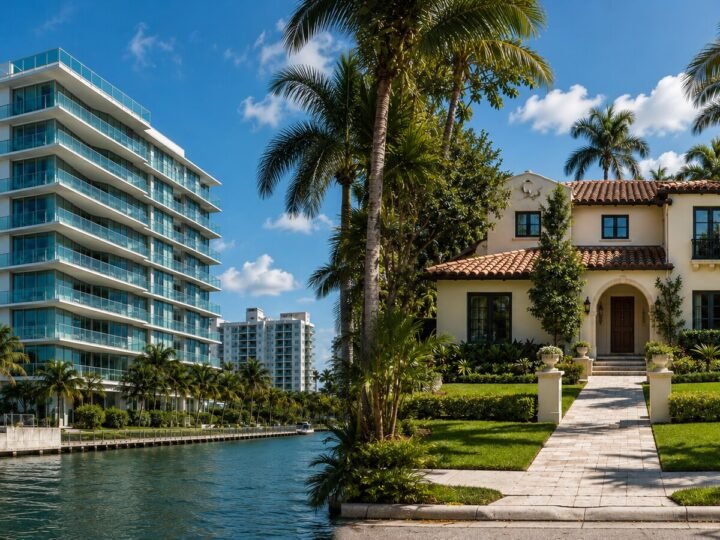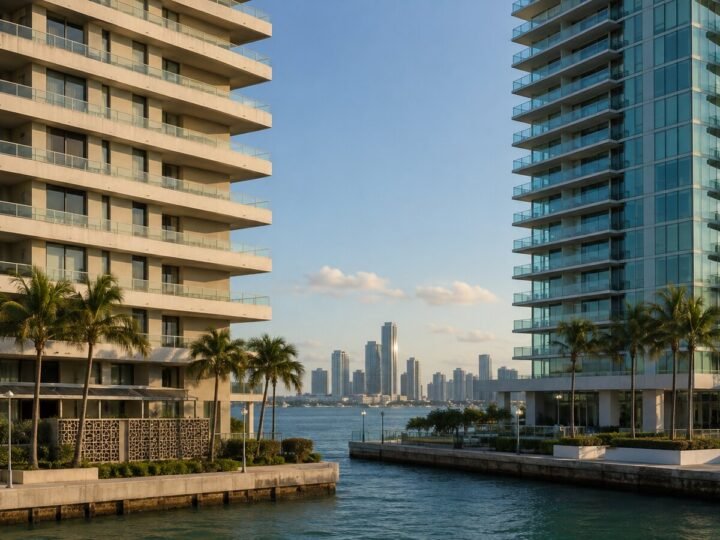
Florida condo financing in 2026 begins with the building before it reaches the borrower. Reserve funding, structural inspections, insurance deductibles, litigation and project eligibility can determine whether conventional financing is available and whether buyers need portfolio or non-warrantable alternatives.
Florida condo financing has changed from a borrower-first process into a borrower-and-building process. Income, credit, assets and debt-to-income ratio still matter, but they are only one side of the approval. The lender must also determine whether the condominium project meets the requirements of the selected loan program.
This analysis is part of Miami Finance Review’s connected research architecture. For the broader context, review non-warrantable financing paths, Florida condo special assessments, the Fannie Mae unavailable list and milestone inspections and SIRS.
For wider market context, see The $1.6 Trillion Question: Stress-Testing South Florida’s Housing Wealth, DSCR Loans: The Investor Edge, When Used Wisely, and What Developers Should Prepare Before Seeking Project Financing.
That shift is not cosmetic. Project review can determine the documentation required, the maximum leverage available, the lender willing to hold the loan and whether a conventional execution is possible at all. Buyers, real estate agents and condominium boards that wait until the final week of a transaction to investigate the building are taking avoidable risk.
Key Takeaways
- A strong borrower cannot cure an ineligible condominium project.
- Project eligibility now requires coordinated review of reserves, inspections, repairs, insurance, litigation, budgets and ownership characteristics.
- Fannie Mae and Freddie Mac updates in 2026 increase the importance of full documentation and reserve analysis.
- Non-warrantable financing may remain available, but pricing and leverage usually reflect the additional project risk.
Why the Building Comes First
A condominium unit is not isolated collateral. Its value depends on common elements, structural systems, master insurance, governance and the association’s ability to fund repairs. When a lender finances one unit, it takes indirect exposure to the condition and financial decisions of the entire project.
This is why project review can stop a loan even when the borrower is highly qualified. Unresolved critical repairs, insufficient insurance, a major special assessment, missing financial records or unacceptable litigation may reduce marketability. The lender is assessing whether the unit can be sold and financed in the future, not merely whether the current borrower can make the payment.
For South Florida, the analysis is particularly important because many buildings are coastal, older or subject to substantial insurance and maintenance costs. The risk profile varies dramatically by construction date, building design, reserve history and management quality.
The 2026 Agency Changes
Fannie Mae issued Lender Letter LL-2026-03 in March 2026 with updates to project standards and property insurance requirements. Freddie Mac followed with Guide Bulletin 2026-C. The details differ by agency and effective date, but the direction is clear: project review is becoming more comprehensive, and reserve funding is receiving more weight.
Freddie Mac announced the retirement of its streamlined review path for certain established condominium units for loan-product adviser submissions dated on or after August 3, 2026. It also addressed reserve-study treatment and a 15 percent reserve funding requirement for applicable reviews beginning in January 2027. These changes require lenders and associations to prepare for fuller financial documentation.
Fannie Mae’s letter updates multiple project and insurance standards. Buyers should not assume that a prior approval, an old questionnaire or a neighbor’s recent closing guarantees current eligibility. Project status can change when new information becomes available or when policy effective dates pass.
Florida Reserves and Structural Requirements
Florida law requires many condominium associations to complete structural integrity reserve studies and to fund specified structural components. The statutes contain detailed rules, exceptions and deadlines, so associations should obtain legal and professional guidance for their specific building. From a financing perspective, the important point is that reserve adequacy and known repair obligations are becoming more transparent.
Milestone inspection requirements address the structural condition of certain buildings based on age, location and other statutory criteria. A lender may request inspection reports, engineering findings, repair plans, board minutes and evidence that the association can fund required work. A summary stating that a building passed may not be sufficient if the underlying report identifies follow-up work.
The timing matters. An association may know that a study or inspection is due but not yet know the final cost. That uncertainty can be difficult to underwrite because neither the buyer nor lender can quantify the owner’s future obligation. Transactions are easier when the scope, budget and funding plan are documented.
Insurance Is a Project-Level Credit Issue
Master property insurance is one of the most common sources of delay. Lenders evaluate coverage amount, covered perils, deductibles, policy term, carrier information and the relationship between the master policy and the unit owner’s HO-6 policy. Flood insurance may be required depending on location and program rules.
High deductibles can create an unfunded exposure if the association lacks liquidity. Actual cash value provisions, roof limitations, exclusions and coinsurance language may also require careful review. The fact that a policy is legally in force does not automatically mean it satisfies a particular mortgage program.
Associations can reduce friction by maintaining a complete insurance package that includes declarations, endorsements, replacement-cost information, flood documents when applicable and contact information for the broker. Buyers should request this early because insurance review often requires follow-up.
What Lenders Review in the HOA Budget
The budget reveals whether the association is funding routine operations and long-term capital needs. Lenders may review reserve contributions, delinquent assessments, special assessments, insurance expense, legal expense and the relationship between revenue and recurring obligations. A budget that balances only because repairs were deferred is not necessarily strong.
Reserve studies provide a more detailed view of component life, replacement cost and recommended funding. When a study identifies a higher required allocation than the budget, the lender may need to understand why. Underfunding can indicate future assessments or deferred work, both of which affect unit marketability.
Boards should avoid treating lender requests as arbitrary. The financing market is effectively asking the association to demonstrate that the building has a durable operating and capital plan. Better records support current owners, future buyers and the long-term value of the project.
Repairs, Litigation and Special Assessments
Not every repair makes a project ineligible, and not every lawsuit is fatal. The details control. A cosmetic repair funded through the operating budget is different from a structural condition that affects safety or habitability. Routine collection litigation is different from a construction-defect case with uncertain damages.
Lenders want the actual reports, pleadings, settlement documents and funding plans. Vague summaries create more uncertainty than they resolve. If an assessment exists, the review may consider its purpose, amount, payment schedule, owner delinquency and whether the work is complete. The borrower may also need to qualify with the ongoing assessment payment.
The best transaction strategy is disclosure early. Surprising the lender after appraisal or underwriting rarely improves the outcome. Early review allows the broker to select a program that can address the project rather than forcing a last-minute change.
Warrantable and Non-Warrantable Are Financing Categories
A warrantable condominium generally meets the project requirements for the applicable Fannie Mae or Freddie Mac execution. The term does not mean the building is perfect, and non-warrantable does not mean unfinanceable. It means the project may require a portfolio, non-QM, private or other specialized loan program.
Non-warrantable lenders evaluate many of the same risks but may accept characteristics the agencies do not, such as higher investor concentration, hotel-like operations, commercial space, litigation or reserve issues. Their flexibility is compensated through pricing, leverage, reserves and documentation. Each lender has its own matrix.
Buyers should compare the total economics. A lower purchase price in a difficult building may be offset by a larger down payment, higher interest rate, special assessment and reduced resale liquidity. The correct question is not simply whether a loan exists. It is whether the property remains attractive after the financing and building costs are included.
A Practical Pre-Contract Checklist
Before the inspection period expires, request the current budget, reserve study, milestone or structural reports, master insurance, recent board minutes, special-assessment information, litigation disclosures, delinquency data and the condominium questionnaire. Confirm whether the project is already in Fannie Mae’s Condo Project Manager or another lender database, but do not rely on an old result without verification.
Ask the lender or mortgage broker to review the building before issuing an aggressive financing representation. A preapproval based only on the borrower is incomplete for a condo transaction. The financing contingency and closing timeline should allow enough time for project review and document collection.
Agents should identify the likely loan type when preparing the offer. A conventional buyer, a DSCR investor and a cash buyer may evaluate the same building differently. Matching the contract to the realistic financing path reduces failed transactions.
The Bottom Line
Florida condo financing in 2026 is a due-diligence discipline. The borrower matters, but the building controls the range of available programs. Buyers who investigate reserves, inspections, repairs and insurance early can price risk and preserve options.
Associations that maintain complete records and credible capital plans create value for every owner because they make financing easier. The market will increasingly distinguish between buildings that can document their condition and funding strategy and buildings that cannot. In that environment, transparency is not merely compliance. It is a financing asset.
How Boards Can Improve Financing Liquidity
Condominium boards cannot guarantee that every mortgage program will approve the project, but they can materially improve financing liquidity through record quality and proactive planning. A secure digital package should contain the current budget, year-end financial statements, reserve study, structural reports, insurance declarations and endorsements, assessment schedule, litigation summary and recent board minutes. The package should be updated when a material item changes rather than assembled from scratch for each sale.
Boards should also designate a knowledgeable contact who can respond to lender and questionnaire requests. Delayed, inconsistent or incomplete answers create uncertainty and may cause lenders to suspend review. A standard response process can reduce administrative burden while ensuring that confidential records are handled appropriately. The association should consult counsel regarding disclosure obligations and record access, but the objective should be accurate and timely information.
Capital planning has a direct relationship to unit marketability. A building that identifies a repair, obtains professional scope, adopts a funding plan and reports progress is easier to evaluate than a building that minimizes a known issue. Lenders may still require completion or reserves, but transparent execution gives them facts to underwrite. Over time, the financing market will reward associations that treat governance, engineering and documentation as part of the property value proposition.
Frequently Asked Questions
What makes a Florida condo warrantable?
A project must satisfy the requirements of the selected agency and review type, including applicable standards for condition, insurance, reserves, ownership, litigation and financial health.
Can a strong borrower get a loan in a non-warrantable condo?
Often yes through portfolio, non-QM or private programs, but leverage, pricing and documentation may differ.
What condo documents should a buyer request first?
Request the budget, reserve study, inspection reports, insurance, board minutes, assessments, litigation disclosures and questionnaire as early as possible.
Do Fannie Mae and Freddie Mac have the same condo rules?
Their frameworks are similar but not identical. Effective dates and review details can differ, so the lender must apply the correct guide for the selected program.
Sources
Market intelligence. Capital insight. Delivered daily.
Miami Finance Review produces independent editorial analysis. Figures are attributed to their sources and independently cross-checked where possible. This content is informational and is not investment, legal, tax or lending advice.