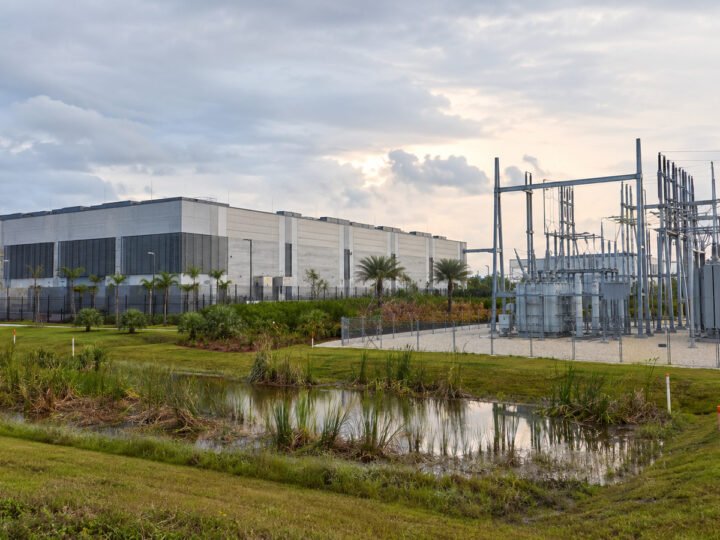
Development
Data Centers Come to Florida: Power, Land and the Capital Constraint
Florida is drawing data-center interest, but power delivery, utility contracts, water, approvals and capital will decide which sites can actually advance.
The latest Miami Finance Review reporting on real estate finance, development, housing, commercial property, market data and capital flows.
Florida is drawing data-center interest, but power delivery, utility contracts, water, approvals and capital will decide which sites can actually advance.

A Florida condo purchase requires two investigations: the unit and the association. MFR maps the documents, deadlines and financial risks to verify.

A below-normal Atlantic outlook does not remove Florida closing risk. MFR maps insurance binding, inspections, flood coverage and housing effects.

Colombia, Argentina, Mexico and Brazil drive Miami's foreign-buyer market. MFR analyzes 2025 sales flows and how currency moves affect purchasing power.

Miami-Dade condos and houses diverged by 6.9 points in June, and July confirmed the split. See the supply, carrying-cost and liquidity forces behind it.

Florida reinsurance pricing improved sharply in 2026, but catastrophe exposure did not disappear. MFR maps the risk-transfer stack and its impact on property premiums.
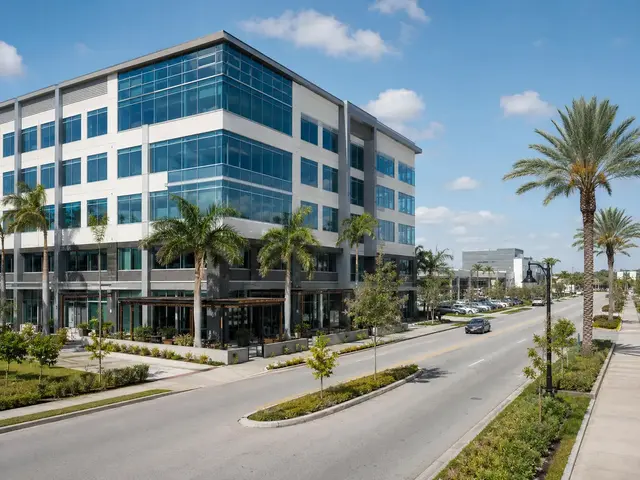
Miami-Dade hotel RevPAR rose 11.3% through June 2026 as ADR gains offset slightly lower occupancy. MFR maps the supply pipeline and financing test.
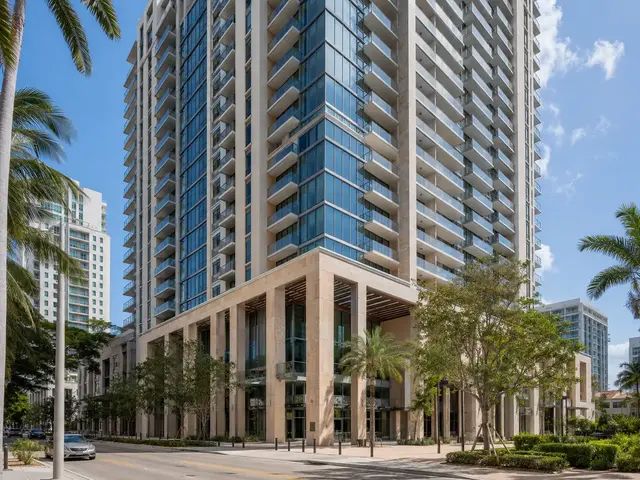
Miami Worldcenter is operating, but it is not finished. MFR tracks the open district, active tower construction, planned hotels and a $210 million retail sale.
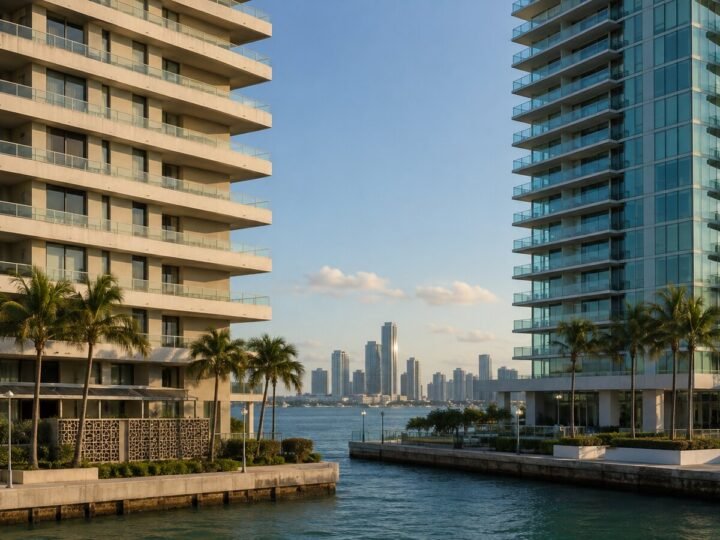
MFR's 12-listing Brickell sample puts Miami condo HOA fees at about $1.00 to $1.52 per square foot by age cohort, with wide building-level variation.

Florida home sales rose in July 2026 as active inventory fell. See statewide prices, supply, pending sales and MFR's analysis of the market shift.

Foreign sellers can face FIRPTA withholding equal to 15% of a Florida property sale. MFR explains residence exceptions, Form 8288-B and closing math.

Miami workers earn 3.7% less than the national average. After adjusting for South Florida’s elevated price level, MFR calculates a purchasing-power gap of approximately 15.6%.